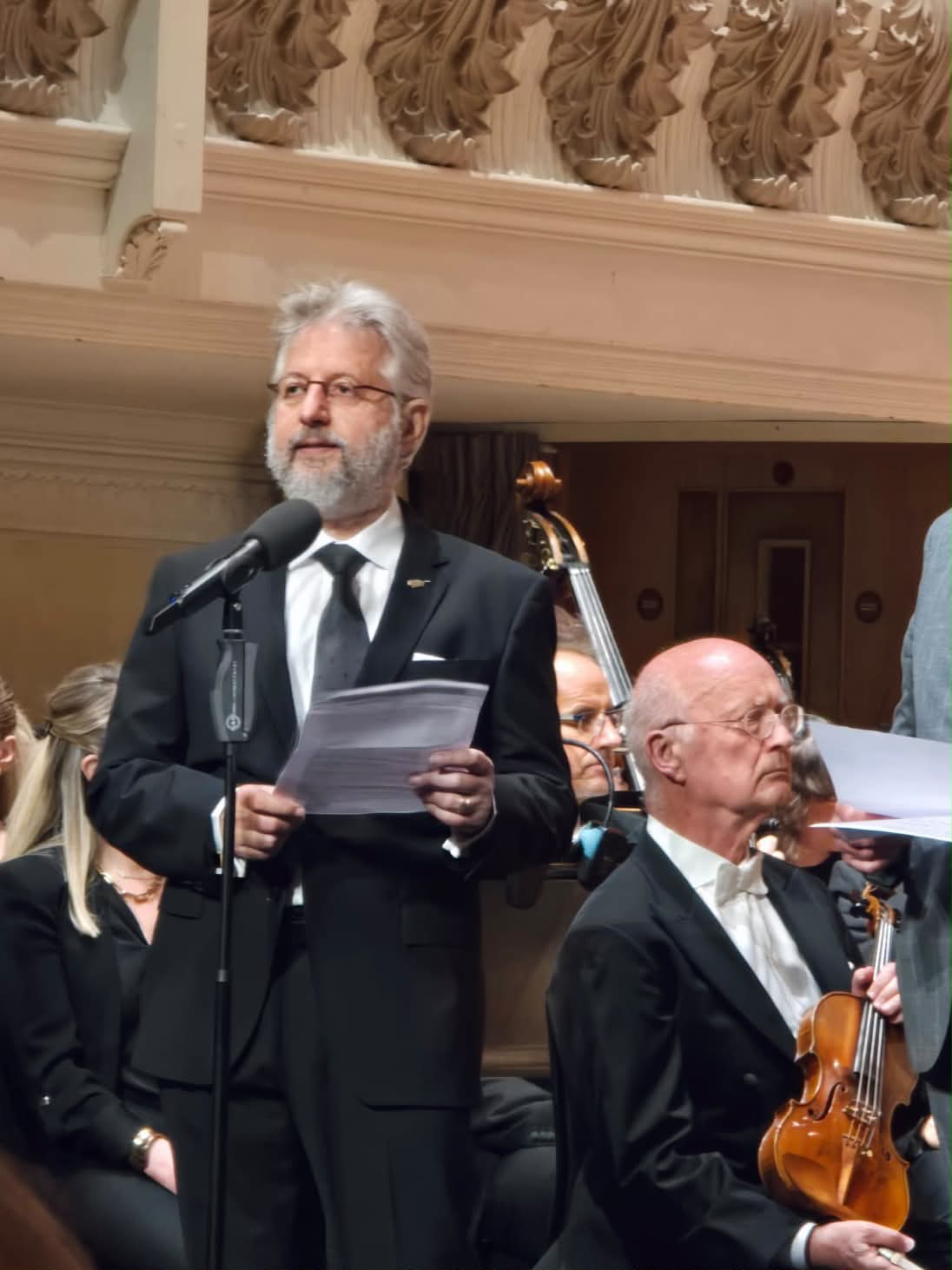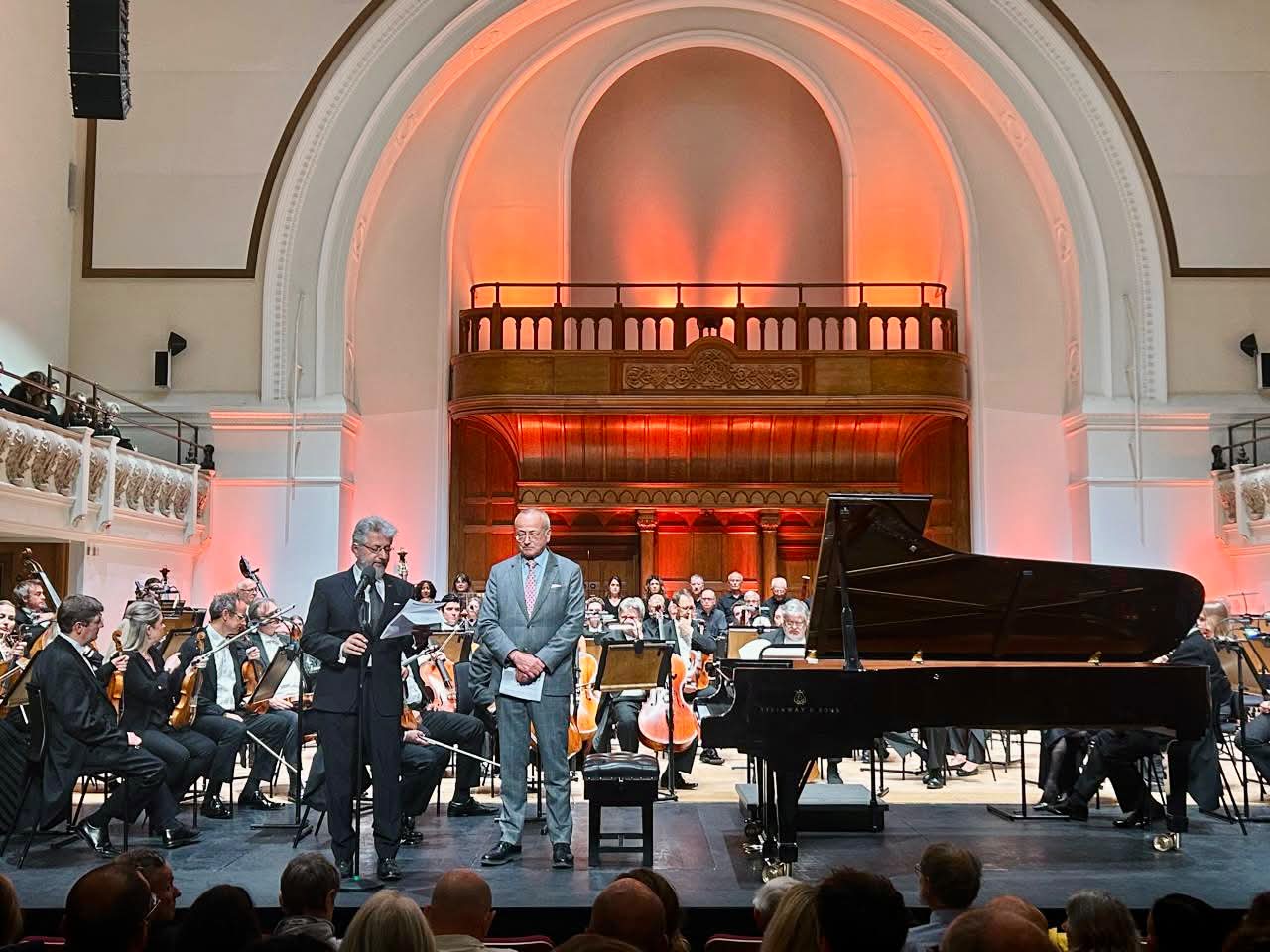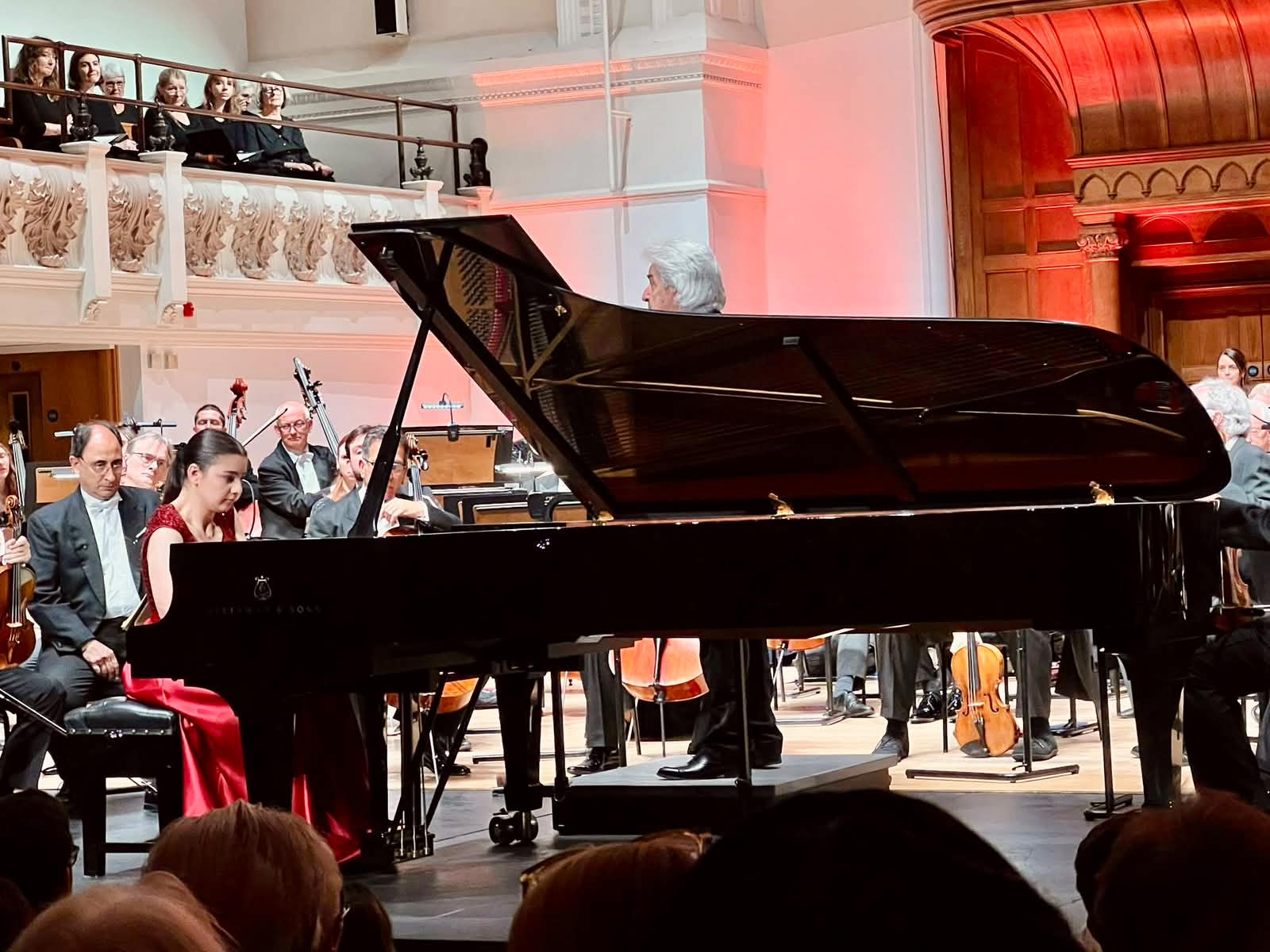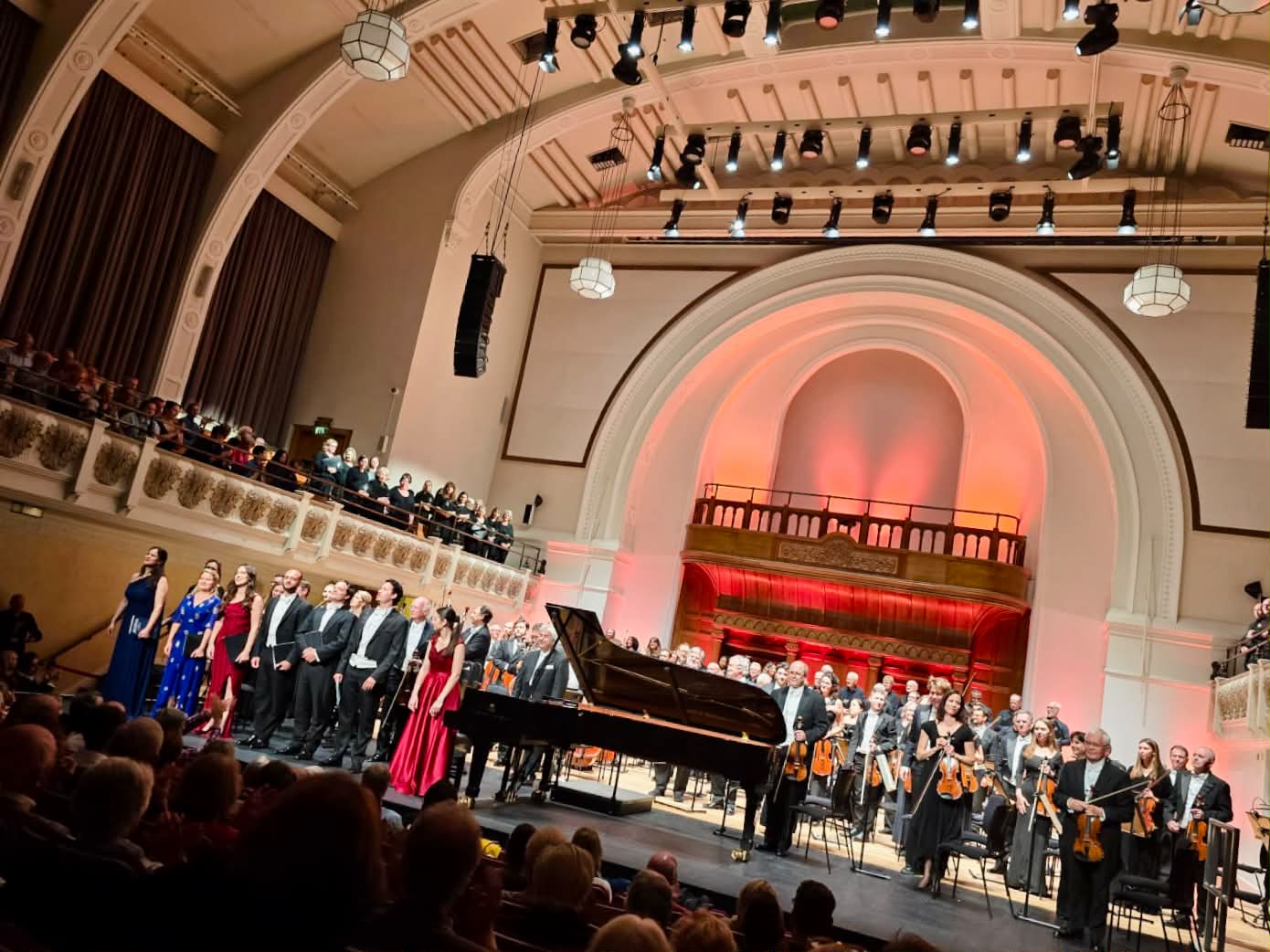
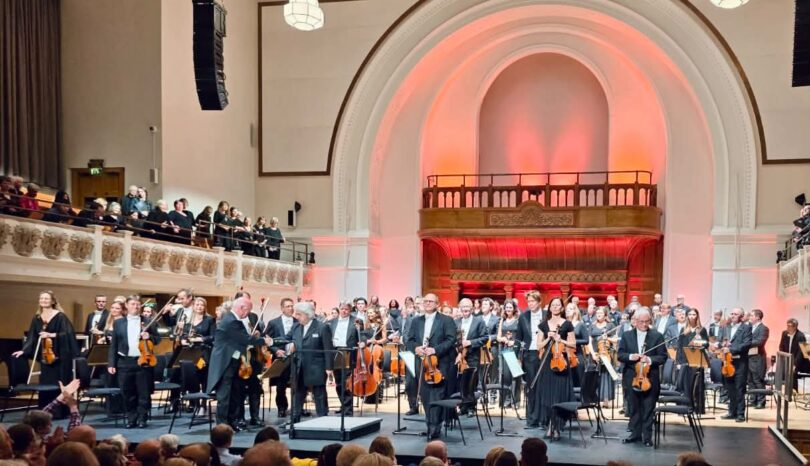
Cadogan Hall, 8 June 2026
Dear Colleagues, Distinguished Guests, Dear Friends of Europe,
It gives me great pleasure to welcome you to this evening’s concert, one of the flagship cultural events marking the Presidency of the Republic of Cyprus of the Council of the European Union.
Cyprus approaches its Presidency with a strong belief that dialogue, cooperation and human connection are among the most important tools we possess. As President Nikos Christodoulides has often highlighted, our Presidency is not simply about managing an institutional responsibility; it is also an opportunity to build bridges, strengthen partnerships and bring people closer together.
“We live in interesting times” is an often-sarcastic proverb. It implies that calm, boring times are blessings, while “interesting” times usually mean wars, disasters, and upheavals. This idea appears throughout history. Paraphrasing French poet Pierre Emmanuel when he was struggling to explain the nature of a chaotic age, I would dare point out that the values we aim to defend, are all values founded on risk.
While are facing supposedly unprecedented shifts in global order and domestic polarization today, it comes in my mind another famous quote: “It was the best of times, it was the worst of times, it was the age of wisdom, it was the age of foolishness, it was the epoch of belief, it was the epoch of incredulity, it was the season of light, it was the season of darkness, it was the spring of hope, it was the winter of despair. [Charles Dickens, A Tale of Two Cities]
This famous opening line is from Charles Dickens’ 1859 novel A Tale of Two Cities. It sets the stage for the French Revolution by using intense contradiction and antithesis to describe the year 1775 as a paradoxical era filled with extreme hope, despair, wisdom, and folly. The quote highlights how the same period can be contradictory, offering both good and bad experiences.
It seems nothing much has changed since.
Facing shifts in global order and domestic polarization, the world as we know it here in the so-called West face a variety of challenges: alliances are fracturing and reorganizing to secure supply chains, insulate our economies, and build up domestic industrial bases.
The European Union is fundamentally transforming its foreign and economic policies in response to heightened global volatility, shifting away from historical reliance on global partners and toward regional self-reliance. This shift encompasses military rearmament, the pursuit of economic de-coupling and de-risking, and the diversification of strategic alliances. While internally, European states are addressing social, economic, and political distresses through increased regulation, tighter border controls, and efforts to restore social cohesion.
The motto of the Cyprus presidency talks about an Autonomous Europe, Open to the World and it does not need a contemporary oracle to explain that we should carry on strengthening the European Union but at the same time keep on working with like-minded partners. The UK is one of those major partners.
In the meantime, Cyprus itself has always lived at the crossroads of cultures and civilisations. Situated at the meeting point of Europe, the Middle East and Africa, our island has long served as a place of encounter, a space where different voices, traditions and histories have met and shaped one another.
Tonight, through music, we continue that dialogue.
There could hardly be a more fitting programme for this occasion than Beethoven’s Choral Fantasy and Symphony No. 9. The final movement of the Ninth Symphony, the Ode to Joy, became the anthem of Europe itself, reminding us that beyond institutions and borders, Europe is also founded on ideals of solidarity, dignity and our shared humanity.
For Cyprus, a country that continues to experience the consequences of division, these values are not abstract ideas. They carry a very human meaning and remind us of the importance of dialogue, coexistence and hope.
We are particularly proud tonight of the remarkable Cypriot presence on stage.
I would like to warmly congratulate Dr Marios Papadopoulos, whose vision, dedication and artistic excellence have established the Oxford Philharmonic Orchestra as one of the leading orchestras of the United Kingdom and beyond.
We are equally proud that tonight’s programme brings together exceptional Cypriot artists representing our country on international stages and travelling from different parts of the world to be with us this evening: pianist Anna Avramidou, soprano Zoe Nicolaidou, mezzo-soprano Shakira Tsindos, tenor Sotiris Charalampous, and baritone Yiorgo Ioannou.
I would also like to warmly welcome Rainer Küchl, former Concert-master of the Vienna Philharmonic, whose distinguished presence as Guest Concertmaster brings additional prestige to this very special evening.
My sincere thanks go to the Oxford Philharmonic Orchestra, our generous sponsor Mr Vladimir Stoly-a-ren-ko, and everyone who contributed to making this concert possible.
Tonight is a celebration of music, but it is also a celebration of the values that unite us.
And perhaps Shakespeare was right after all when he observed: “If music be the food of love, play on.” Shakespeare wrote these words here in England more than four centuries ago, and tonight they seem particularly appropriate as we gather in London to celebrate not only the power of music, but also the values that bring us together as Europeans and as friends.
Ladies and gentlemen, it now gives me great pleasure to offer the floor to a valued friend and partner in many of our European initiatives, Ambassador Pedro Serrano, Head of the Delegation of the European Union to the United Kingdom.